DIY versus professional carpet cleaning when to hire experts
Carpet cleaning looks simple enough at first glance: a bucket, a bit of detergent, maybe a rented machine, and a Saturday afternoon. But anyone who has pulled a damp, grey patch of carpet back into shape knows it is rarely that neat. The real question is not whether you can clean a carpet yourself. It is whether you should, and just as importantly, when to hire experts instead of trying to do it all at home.
This guide breaks down DIY versus professional carpet cleaning in plain English. You will see what each option does well, where it falls short, how to judge the risk, and which situations are better left to a specialist. If you are weighing up a quick refresh against a deeper, safer clean, you are in the right place.
Why DIY versus professional carpet cleaning when to hire experts Matters
Carpets are one of those things you stop noticing until they are dirty, dull, or holding on to a smell you cannot quite place. Then suddenly, it matters a lot. The way you clean them affects how long they last, how they look, how they smell, and even how much effort you will need next time.
The DIY route can be brilliant for light maintenance. Spills, surface dust, and small marks often respond well to prompt home treatment. But carpets are built with fibres, backing, adhesives, and underlay that do not always forgive over-wetting or harsh chemicals. Once moisture sinks too deep, you can end up with lingering damp, wicking stains, or that slightly stale smell that seems to return on a rainy day. Annoying, really.
Professional cleaning matters because it is not just about making a carpet look tidy for a few hours. It is about removing embedded soil, reducing residues, and using the right process for the fibre type and the level of contamination. That is why the decision is less about pride and more about judgement. A sensible homeowner knows when a quick dab is enough and when a proper intervention saves money in the long run.
For households with pets, children, allergies, or busy foot traffic, the stakes are a little higher. A carpet that still feels gritty after DIY cleaning is not truly clean; it is just damp and hopeful. And hope is not a cleaning method.
How DIY versus professional carpet cleaning works
At a basic level, both methods aim to loosen dirt and lift it out of the pile. The difference is in the equipment, the chemistry, the drying control, and the consistency of the result.
DIY carpet cleaning
DIY cleaning usually means one of three things: spot cleaning by hand, using a domestic carpet machine, or renting a larger machine for the day. The process tends to be straightforward. You vacuum first, treat any visible stains, apply a cleaning solution, agitate the fibres lightly, then extract or wipe away the residue.
It works best for light soil and fresh spills. In practice, it is most useful when the carpet is generally in good condition and you are trying to preserve it between deeper cleans. If you are careful with water levels and do a proper pre-test on a hidden area, you can get decent results. Not glamorous, but decent.
Professional carpet cleaning
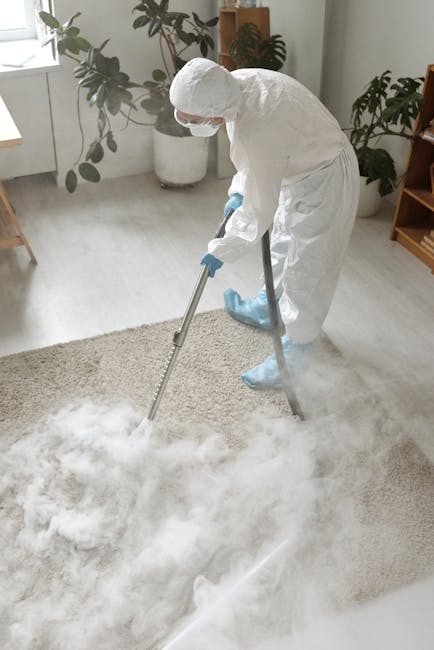
Professional carpet cleaning usually starts with inspection. A technician should look at the fibre type, stain history, traffic patterns, backing condition, and any sensitive areas such as joins or fitted furniture edges. From there, the right method can be chosen: hot water extraction, low-moisture cleaning, steam-based treatment, or targeted stain removal where appropriate. If you want a wider service context, the main carpet cleaning service page is a useful place to understand what specialist cleaning typically covers.
The key advantage is control. Pros use stronger extraction, more suitable products, and a better drying process. That means less residue, less risk of overwetting, and a more even finish across the room. To be fair, the best results often look slightly understated at first: no dramatic perfume cloud, no wet carpet drama, just fibres that feel cleaner underfoot and a room that smells fresher without shouting about it.
There is also a difference in how stains are handled. A coffee mark from this morning, a pet accident from last week, or a general darkening in the main walkway all behave differently. Professional stain treatment is usually more methodical, and that matters when the problem is not obvious on the surface. For more targeted issues, it can help to look at specialist stain removal and, where pets are involved, pet stain and odour removal.
Key Benefits and Practical Advantages
Both DIY and professional carpet cleaning have their place, and the best choice depends on what you are trying to achieve. Here is the practical truth: DIY is usually cheaper upfront, while professional cleaning is usually safer and more effective for complex problems.
- DIY advantages: lower immediate cost, quick response to spills, convenient for routine upkeep, and useful between deeper cleans.
- Professional advantages: deeper extraction, better stain handling, reduced risk of residue, knowledge of fibre types, and more predictable drying.
- DIY limitations: limited suction power, a higher chance of overwetting, and a greater risk of leaving soap behind.
- Professional limitations: higher upfront cost and the need to book a visit, although that is often offset by better outcomes.
The biggest practical advantage of hiring experts is not just appearance. It is confidence. You are less likely to damage a delicate wool carpet, less likely to spread a stain around by accident, and less likely to spend your weekend chasing a result that never quite arrives.
If your carpet is part of a larger soft-furnishings refresh, it can also make sense to coordinate related services. A room can look strangely half-done if the carpet is clean but the sofa, rug, or curtains still carry dust and odour. In those cases, linked services such as rug cleaning, sofa cleaning, upholstery cleaning, and curtain cleaning can be a sensible part of the same plan.
Who This Is For and When It Makes Sense
This topic matters to a surprisingly wide range of people. If you own a home, rent a flat, manage a household with pets, or look after a small office, you will face the same basic decision sooner or later.
DIY usually makes sense when:
- the carpet has light surface dirt rather than deep staining
- you are dealing with a fresh spill and can act quickly
- you want to tidy up a low-traffic room
- the carpet is synthetic and fairly robust
- you are maintaining a clean carpet rather than rescuing one
Professional cleaning usually makes more sense when:
- the carpet has years of compacted soil
- there are repeated stains that keep coming back
- the carpet smells musty, stale, or pet-related
- the fibres are wool, mixed, delicate, or expensive
- you are preparing for tenants, guests, an event, or an inspection
- the area is commercial and sees constant footfall
Commercial spaces deserve a separate mention. Office corridors, receptions, and meeting rooms collect more dirt than people realise, especially near entrances and desk rows. If that sounds familiar, the broader needs of commercial carpet cleaning are often different from standard home cleaning. The same goes for highly used spaces such as rented properties and shared accommodation, where regular maintenance is a bit more serious than a once-a-year vacuum-and-pray routine.
And then there are the awkward cases. The stained patch under the table that has been there for months. The smell that appears only after rain. The old carpet that seems fine until you kneel down and realise the pile is matted flat. Those are the moments where expert help tends to pay for itself.
Step-by-Step Guidance
If you want a simple way to decide, use this process. It is not fancy, but it works.
- Identify the problem. Is it dust, a single stain, odour, traffic wear, or general dullness?
- Check the carpet type. Wool, synthetic, blended, and loop pile carpets all behave differently.
- Ask how deep the issue goes. If the problem is only on the surface, DIY may be enough. If it has set into the fibres or backing, think harder.
- Consider the risk. Is the carpet expensive, old, colour-sensitive, or prone to shrinkage?
- Match the method to the job. Spot treatment for small marks; extraction or specialist treatment for heavier soiling.
- Test first. Always test any cleaner on a hidden corner before applying it broadly. Always.
- Dry properly. Good airflow matters. Open windows if weather allows, use fans if needed, and avoid putting furniture back too soon.
- Review the result honestly. If the stain has lightened but not shifted, or the carpet still feels sticky, it is probably time to call in help.
That last step is where many people misjudge things. If you have already cleaned the same patch twice and it still looks faintly grim, stop there. Repeated scrubbing can make things worse, not better. A pro can often rescue a problem more cleanly on the first proper attempt than a homeowner can after three enthusiastic goes.
If cost is part of your decision, check the provider's pricing and quotes information so you understand what influences the price. It helps to compare like with like rather than just chasing the cheapest number on the page.
Expert Tips for Better Results
A few good habits make a real difference, even if you end up hiring experts in the end.
- Vacuum thoroughly before any wet clean. Dry soil is easier to remove before it turns into mud in the fibres.
- Blot, don't scrub. Scrubbing can spread the stain and rough up the pile.
- Use less water than you think. A carpet should be cleaned, not soaked.
- Work from the outside in. That helps stop stains spreading into a larger halo.
- Keep residue low. Detergent left behind attracts dirt, so rinse or extract properly.
- Deal with odour separately. Smell often needs more than surface cleaning; it may need targeted treatment.
- Watch drying time. If the carpet stays damp for too long, the result can be disappointing and a bit whiffy, frankly.
One practical tip many people overlook: if you are cleaning a room with different fabrics, such as carpet, sofa, and curtains, think about the order. Start with the dustier or drier jobs first, then move to wetter cleaning. Otherwise you can clean the carpet beautifully and then knock dust back onto it from the cushions. Bit frustrating, that.
If the issue is part of a larger fabric-care job, you might also look at mattress cleaning or other soft-furnishing services to keep the home feeling balanced rather than half refreshed and half ignored.
Common Mistakes to Avoid
Most DIY carpet problems are not caused by bad intentions. They come from rushing, overusing product, or assuming all carpets behave the same. They do not.
- Using too much detergent. More foam does not mean more clean.
- Skipping the fibre check. Wool and synthetics need different care.
- Ignoring the underlay. A top layer can look fine while moisture is trapped below.
- Soaking stain spots repeatedly. This can push the mark deeper or spread it outward.
- Cleaning without proper extraction. A damp, sticky carpet attracts dirt quickly.
- Waiting too long to treat spills. Fresh stains are far easier to manage than old ones.
- Using one method for every stain. Ink, grease, pet urine, red wine, mud, and food spills all need different approaches.
Let's face it, the internet is full of miracle fixes that sound clever until you try them on the lounge carpet. Some are harmless enough. Some are not. The safest rule is simple: if the carpet is valuable, delicate, or already badly marked, do not experiment wildly.
This is also where a professional can save time and preserve the carpet's condition. If a stain has migrated, if there is odour in the backing, or if the carpet has a history of patchy cleaning, expert intervention is usually the cleaner decision. No drama, just sense.
Tools, Resources and Recommendations
You do not need a huge toolkit to maintain carpets properly, but a few sensible items help.
- A good vacuum cleaner with decent suction and a clean filter
- Microfibre cloths for blotting and light surface work
- Plain white towels to absorb spills without transferring dye
- A carpet-safe cleaning solution suited to the fibre type
- A soft brush for gentle agitation when appropriate
- Fans or open windows to help drying
- Protective gloves if you are using stronger cleaners
If you are comparing services rather than doing it yourself, use the information you can see on a provider's site to check practical things: what the service includes, how quotes are handled, how payment is managed, and whether policies are easy to find. For example, a business that publishes clear information on about us, insurance and safety, and payment and security is usually making it easier for you to judge professionalism before you even pick up the phone.
That sort of transparency matters. So does having clear service expectations. If you are unsure how a provider handles problems after the job, it is reasonable to check their complaints procedure and general terms and conditions. Not exciting reading, admittedly, but useful.
Law, Compliance, Standards, or Best Practice
There is not much everyday legal complexity for a homeowner cleaning a carpet in their own property, but there are still sensible standards to keep in mind. In the UK, the main best-practice issues are safety, proper product use, and avoiding damage to property or health.
If you are using a professional service, look for evidence that the business takes safety seriously. That includes clear handling of chemicals, proper equipment maintenance, and sensible awareness of slip hazards from wet floors. In a domestic setting, that means protecting children, pets, and anyone with mobility issues until the carpet is dry. In a workplace or rental property, it also means planning cleaning at a time that reduces disruption and risk.
It is also wise to follow label instructions on products and avoid mixing cleaners. That sounds obvious, but everyone knows someone who has tried to improvise. Bad idea. If a fabric care product says patch test first, do it. If a carpet is antique, delicate, or expensive, treat that as a strong hint to leave the heavy lifting to a specialist.
For customers who care about wider responsibility, it can be worth reviewing a company's recycling and sustainability stance. Not every cleaning decision is about sustainability, but waste handling, reusable materials, and efficient cleaning methods are part of modern best practice. Small detail, yes. Still matters.
Options, Methods, or Comparison Table
Here is a straightforward comparison to help you choose. This is the bit most people skim first, so let us make it genuinely useful.
| Option | Best for | Strengths | Limitations | When to choose it |
|---|---|---|---|---|
| Spot cleaning at home | Fresh spills and small marks | Fast, cheap, convenient | Limited depth, easy to overdo | When the stain is new and the carpet is otherwise fine |
| Domestic machine cleaning | Light to moderate soil | Better than hand cleaning, manageable cost | Drying can be slow, results vary | When you want a refresh and understand the carpet fibre |
| Machine rental | Medium jobs and larger rooms | More power than a handheld approach | Heavy to transport, results depend on technique | When you are willing to do the work but need stronger extraction |
| Professional cleaning | Deep cleaning, odour, sensitive fibres, heavy wear | Better extraction, expertise, tailored products | Higher upfront cost | When the carpet matters, the problem is serious, or you want the clean done properly |
In real life, the choice is not always either-or. Many households use DIY for routine spills and then book professionals for seasonal deep cleans. That hybrid approach is often the sweet spot. It keeps day-to-day costs sensible while preventing long-term build-up. Honestly, that is usually the smartest setup.
For rooms with stubborn traffic lanes or repeat soiling, a method such as steam carpet cleaning may be a better fit than basic domestic cleaning, especially when you want deeper fibre flushing and more controlled extraction.
Case Study or Real-World Example
Picture a typical front room in a UK terrace or flat. The carpet is not ruined, just tired. There is a pale traffic path from the sofa to the door, a coffee mark by the armchair, and a faint smell that becomes noticeable only when the heating is on. The owner tries a domestic cleaner first. The coffee mark lifts a little, the room looks fresher for a day, then the traffic lane still looks dull. The smell lingers.
At that point, the decision changes. The issue is no longer a simple spill. It is a combination of embedded dirt, old residue, and possible odour trapped deeper in the pile. A professional clean becomes the better option because it can address the carpet more comprehensively, not just the visible mark. The result is usually more even, and the room feels genuinely reset rather than half improved.
Now take another example: a small rental bedroom with a fresh tea spill on a synthetic carpet. The spill is blotted quickly, the right cleaner is tested in an unseen corner, and the area dries well. In that case, DIY was the right call. No need to complicate it.
That contrast is the heart of the decision. If the problem is local and fresh, act yourself. If the carpet is aged, valuable, odorous, or repeatedly dirty, call in the people who do this every day. Simple enough, though not always easy to admit in the moment.
Practical Checklist
Use this quick checklist before you decide whether to clean the carpet yourself or hire experts.
- Have I identified the carpet fibre and checked whether it is delicate?
- Is the issue a fresh spill, or has it already settled in?
- Do I know what caused the stain or odour?
- Do I have the right cleaner for this specific problem?
- Can I test the product in a hidden area first?
- Will I be able to dry the carpet properly?
- Is the carpet expensive, old, or at risk of damage?
- Have I already tried and failed more than once?
- Would a professional save time, reduce risk, or give a better result?
- Do I need related soft-furnishing cleaning as well?
If you tick several of those boxes in the wrong direction, that is your answer. You probably need expert help. No shame in that at all.
Conclusion
The real decision in DIY versus professional carpet cleaning is not about who can wield a machine. It is about matching the job to the method. DIY is ideal for fresh spills, light maintenance, and small jobs where the carpet is robust and the risk is low. Professional cleaning becomes the smarter choice when the carpet is valuable, heavily soiled, odour-prone, delicate, or simply too important to gamble with.
In everyday terms, the best approach is often a mix of both. Keep on top of spills quickly, vacuum properly, and use sensible spot treatment. Then bring in experts when the carpet needs a proper reset. That way, you protect the flooring, avoid avoidable mistakes, and get a better finish without turning one afternoon chore into a weekend saga.
Get a free quote today and see how much you can save.
And if you are still on the fence, that is fair enough. A good carpet should earn its keep quietly, and the right cleaning choice helps it do exactly that for years.
Frequently Asked Questions
Is it worth cleaning carpets yourself?
Yes, for fresh spills, light marks, and routine maintenance it often is. DIY is usually cost-effective and convenient. But if the carpet is heavily soiled, odorous, or delicate, the risk of doing more harm than good rises quickly.
When should I hire experts for carpet cleaning?
Hire experts when stains keep returning, the carpet smells despite cleaning, the fibres are delicate, or the area is high-traffic. If you have already tried DIY twice and the result is still poor, that is usually the sign.
Does professional carpet cleaning damage carpets?
It should not, provided the cleaner chooses the right method for the fibre and uses sensible moisture control. The main risks come from poor technique, not from professional cleaning itself.
How often should carpets be professionally cleaned?
It depends on use, pets, and foot traffic. Busy homes and commercial spaces usually need more frequent cleaning than low-use rooms. The best timing is based on condition rather than a fixed rule.
Can DIY carpet cleaning remove old stains?
Sometimes, but not reliably. Old stains often sit deeper in the pile or backing and may need targeted treatment. DIY can lighten them, though a specialist often has a better chance of removing them cleanly.
What is the biggest mistake people make with DIY carpet cleaning?
Using too much water or too much detergent. Both can leave residue, slow drying, and make the carpet attract dirt again faster. A carpet should be cleaned thoroughly, not drenched.
Is steam carpet cleaning better than DIY methods?
For deeper soil and harder jobs, professional steam-style extraction can be better because it lifts more dirt and leaves less residue. For simple spill removal, though, DIY is often enough.
How do I know if my carpet is safe to clean at home?
Check the fibre type, the carpet's age, and any care instructions you have. If it is wool, antique, very expensive, or already showing wear, it is safer to be cautious and consider professional help.
Can carpet cleaning help with pet odours?
Yes, but odour is often more complicated than it seems. Surface cleaning may improve it, yet smells can persist in the backing or underlay. That is where specialised treatment is often needed.
What should I ask before booking a professional carpet cleaner?
Ask what method they use, how they handle stains and drying, what is included in the quote, and whether they have clear insurance and safety information. It also helps to read their service terms and complaints process first.
Is it cheaper to rent a machine or hire a professional?
Renting a machine is usually cheaper upfront, but that does not always mean better value. If the result is patchy, slow to dry, or needs redoing, the total effort can end up costing more in time and frustration.
What carpet cleaning option is best for busy family homes?
Busy family homes often benefit from a hybrid approach: prompt DIY spot cleaning for small accidents and regular professional cleaning for deeper maintenance. It keeps the carpet fresher without turning every spill into a big event.